
October 24. 2026


『ジャンコレ』ひとり言 by Duke
132
駄菓子
Cheap sweets
いつ頃からだったか日本で、甘い洋菓子などのことをスィーツと呼び始めた。今では和菓子や料理などにも使われるようになっている言葉だが、私はずっと違和感を感じていた。019でも書いたが、違和感と言うより嫌いだ感の方かも。この言葉は英国英語から来たようだが、英語の意味では甘いキャンディーのような、どちらかと言えば子どもが食べる駄菓子系に使われる言葉だ。食べ過ぎるとあまり体には良くないものだったり、肥満の原因にもなりそうな、そんな感じだ。確かに甘いものには人を魅了するものがある。私も誘われるその一人だが、どうしてもスィーツという言葉には馴染めないのだ。なぜだろうかと色々考えてみたが何となくその「スィーツ」という言葉の裏側に「作為」があるような気がしてならない。つまり仕込まれたコトバを感じるからだと思う。何かを流行らせてやろう、とか、こういうコトバの方がオシャレだろう…的な作為が何となく見え隠れする。モノや動きがあってからコトバが付けられるのではなく、先にコトバを作ってしまい、後から色んなモノを無理やり当てはめるような違和感を、甘いものが好きな私だけかもしれないが、感じている。スィーツという言葉は、健康にはよくないが誘われる駄菓子の方が似合っている。
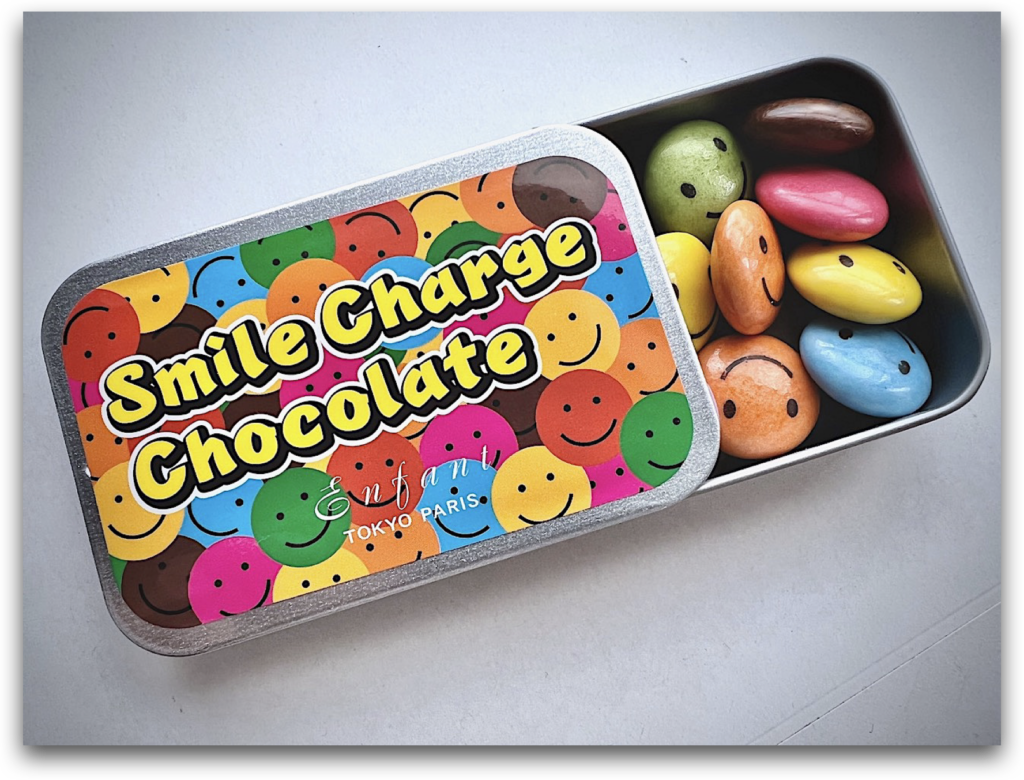
At some point, people in Japan began referring to sweet Western-style confectionery as ‘sweets’. Although the term is now used for traditional Japanese sweets and dishes as well, I have always felt it was a bit off. As I wrote in 019, it’s perhaps less a sense of something being ‘off’ and more a feeling of dislike. This word seems to have come from English, but in English it refers to sweet candies—the sort of cheap sweets that children tend to eat. It conjures up the image of things that aren’t particularly good for you if you eat too many, or that might even lead to obesity. Admittedly, there is something about sweet things that captivates people. I, too, am one of those who find them irresistible, but I simply cannot get used to the word ‘sweets’. I’ve thought long and hard about why this is, and I can’t help but feel that there is a certain ‘artifice’ lurking behind the word ‘sweets’. In other words, I sense that it is a contrived term. I can vaguely make out an underlying intention—perhaps to make something trendy, or the notion that this kind of word sounds more stylish… It’s not that a word is coined after a thing or a trend has emerged; rather, the word is created first, and then various things are forced to fit it. Perhaps it’s just me, as someone who loves sweet things, but I feel a sense of incongruity in this. The term ‘sweets’ is better suited to the kind of cheap sweets that aren’t good for your health but are still irresistible.
131
手
Hand
人間の手は、よく見ると不思議な形をしている。見慣れた目からは、何も感じないが、しげしげと眺めると、なかなか面白い形だ。人の体の中には不思議な形のものが多いが、その中でも手は独特の形をしている。まさしくこの手こそが人間を人間として進化させてきた道具とも言える。最近はAIの研究で人間の脳の仕組みの解明が進んでいるが、その脳の指令を果たすのがまさしくこの手だ。ロボット製作で苦労するのもこの手なんだという話を聞いた事がある。微妙な動きは何とか近いものは作れるが、手触りや感触といったさらに微妙な働きは、数多くのセンサー技術でも難しいのだろう。指先から伝わる触感や温度や固さを感じて、それに対して反応させるという技術は、脳の働きを解明することときっと同じくらい難しいのかも知れない。手は感情表現にも使われる。写真は私の手だが、年老いた年齢までも表してるのもまた興味深い。
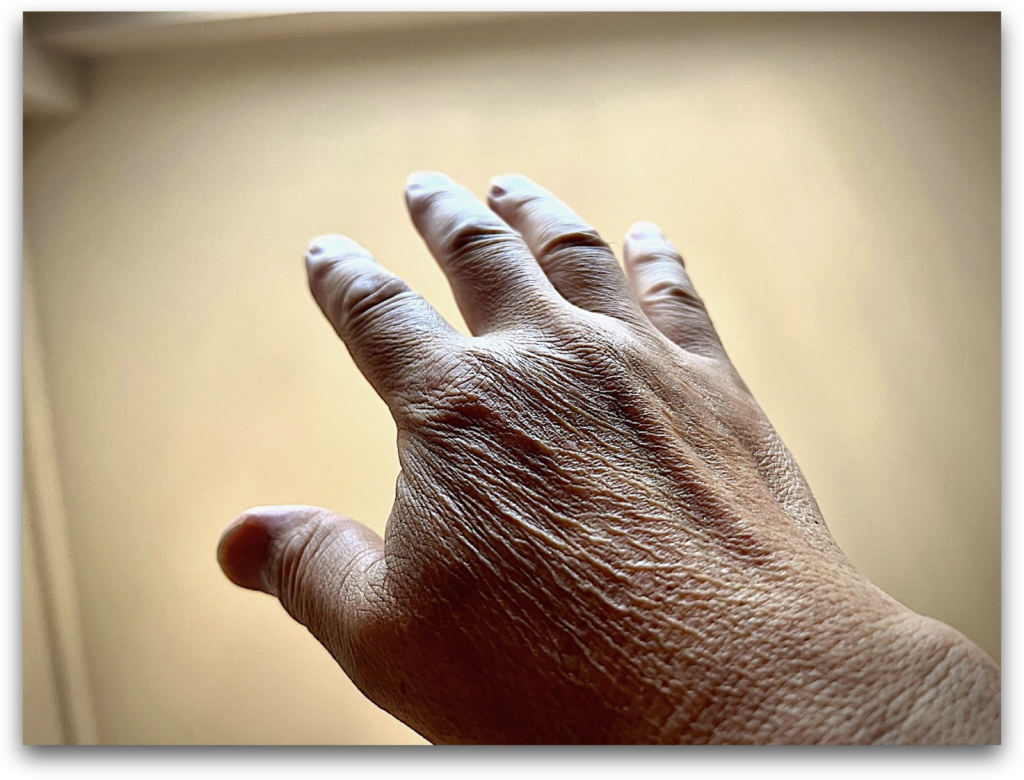
If you look closely, the human hand has a fascinating shape. To the untrained eye, it may seem unremarkable, but if you examine it intently, you’ll find it quite intriguing. The human body contains many objects with unusual shapes, but the hand stands out as particularly unique. It can truly be said that this hand is the very tool that has driven human evolution. While recent AI research has made significant progress in unraveling the workings of the human brain, it is precisely this hand that carries out the brain’s commands. I’ve heard that the human hand is also the most challenging part of robot construction. While it’s possible to create something that approximates subtle movements, even with numerous sensor technologies, it remains difficult to replicate the even more nuanced functions, such as the sense of touch and tactile sensation. The technology required to sense touch, temperature, and firmness transmitted through the fingertips and respond accordingly may be just as difficult to master as unraveling the workings of the brain. Hands are also used to express emotions. The photo shows my own hand, and it’s interesting how it also reflects my advancing age.
130
バドワイザー
Budweiser
ビールも飲むが、好きだ、と言うわけではない。旅行先でたまたま友人と一緒に飲んだのがこのビールとの出合いだ。飲んでみると軽い味わいでスッキリとした印象だったので、飲みやすいビールだなと思った。歴史は古く1876年から作られていて、米国などでは知らない人がいないくらいの有名ブランドだ。しかし、もともとこのビールの名前はチェコの有名なビール産地ヴァイスをイメージしたもので、名称使用については現在ももめているという。以前チェコでビールを飲んだことがあるが、確かにスッキリとしたピルスナー系のおいしいビールだった。作り方は多少違うかも知れないが、イメージとしては似たものを感じる。現在日本でも手に入るが、店頭には数え切れないほどのビールブランドが並んでいる中ではけして目立つ方ではない。キングオブビアと書かれたこの缶は味はスッキリだがネーミングはいまだにスッキリしていないようだ。
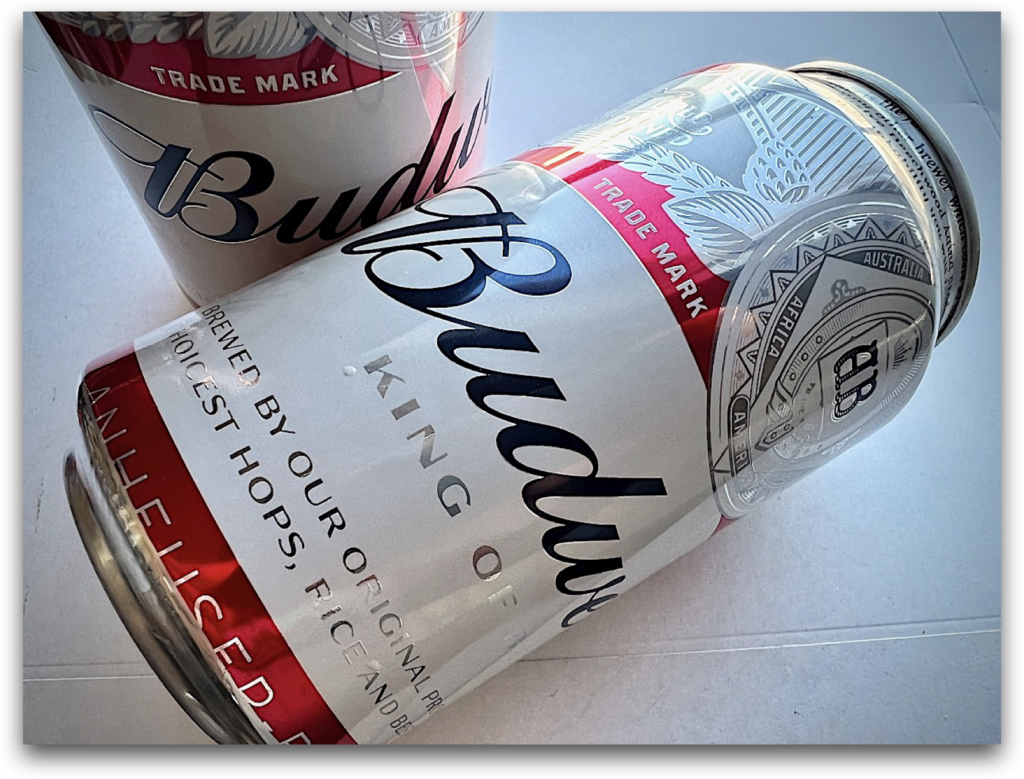
I do drink beer, but I wouldn’t say I’m particularly fond of it. I first encountered this beer by chance while traveling, when I happened to have a drink with a friend. When I tried it, it had a light flavor and a crisp finish, so I thought it was an easy-to-drink beer. It has a long history—it’s been brewed since 1876—and is such a famous brand that virtually everyone in the U.S. and elsewhere knows it. However, the beer’s name was originally inspired by Weiss, a famous Czech beer-producing region, and there’s still an ongoing dispute over the use of that name. I’ve had beer in the Czech Republic before, and it was indeed a delicious, crisp Pilsner-style beer. The brewing method might be slightly different, but I feel they share a similar character. It’s available in Japan now, but among the countless beer brands lining store shelves, it certainly doesn’t stand out. This can, labeled “King of Beer,” has a crisp taste, but its name still doesn’t seem quite right.

ー 使用禁止 ー

このホームページの内容について他への投稿、複製、転写など全てのSNSの使用は禁止されています。ご注意ください。
Please note that any posting, reproduction, or reproduction of the content on this website, including on social media, is strictly prohibited.